 Impresora de etiquetas de envío Bluetooth Phomemo PM241-BT
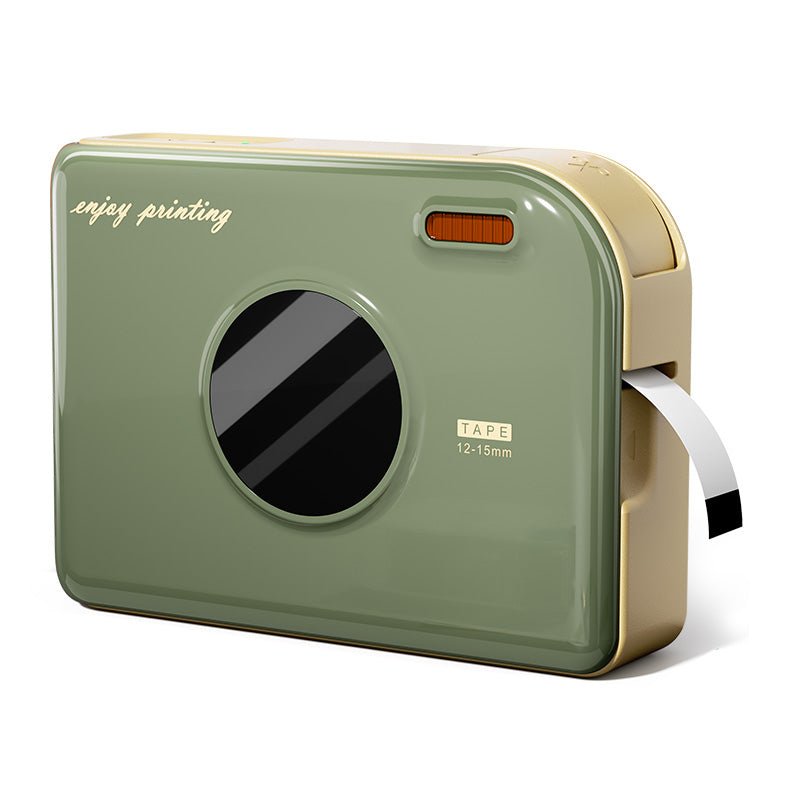 Impresora de Cintas Phomemo A30 Etiquetadora Portátil para el Hogar
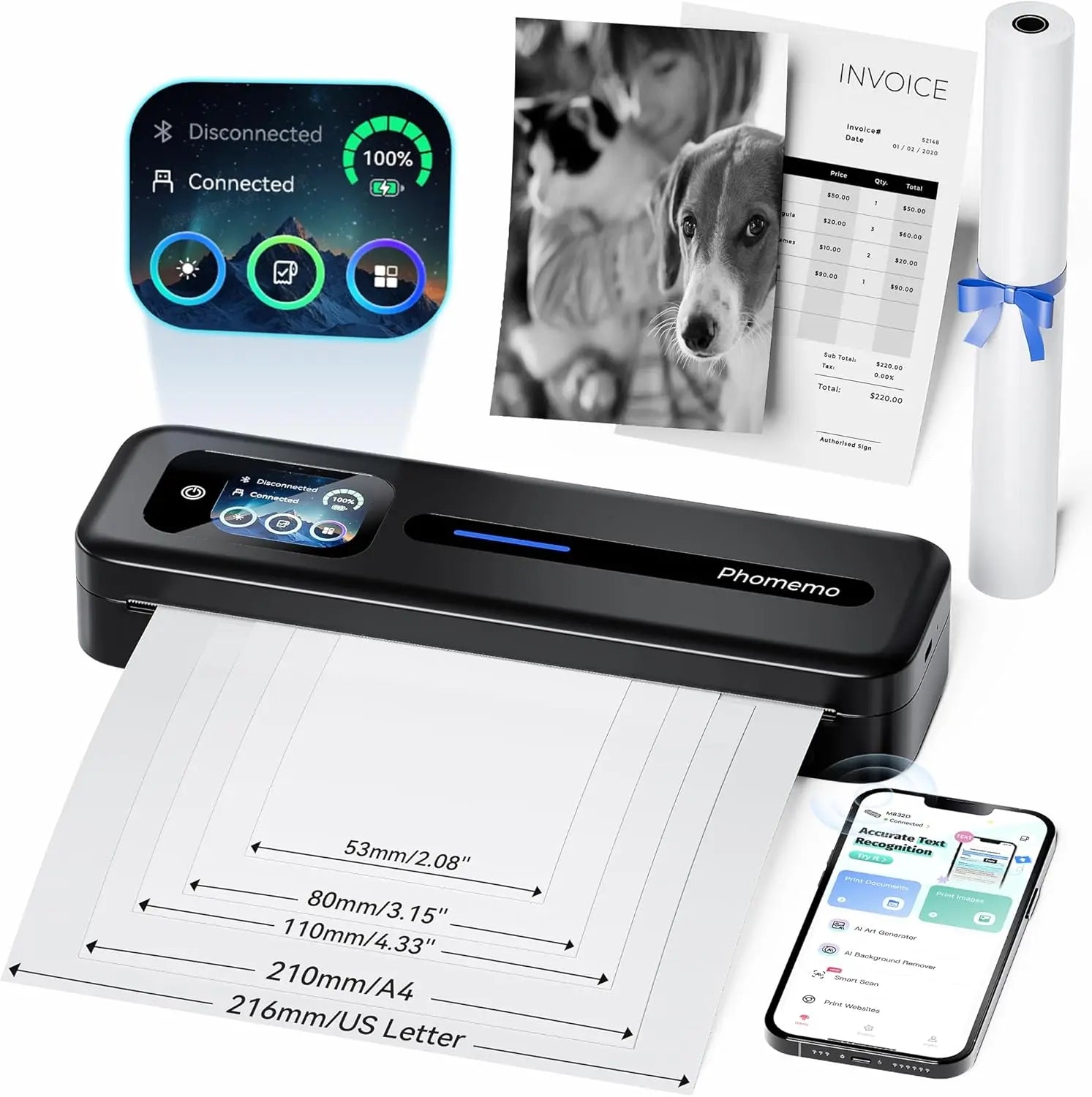 Impresora portátil térmica Phomemo M832D con pantalla táctil directa mejorada
 Phomemo M08F Plus Impresora inalámbrica de plantillas para tatuajes con pantalla táctil
 Phomemo Etiqueta redonda térmica múltiple de 2" para impresora de etiquetas de envío
 Phomemo E50Pro Industrial Bluetooth Portable Label Maker
 Phomemo G100 Pro Impresora portátil térmica directa
 Phomemo PM64D Impresora de Etiquetas de Envío Bluetooth Pantalla Táctil Directa Mejorada
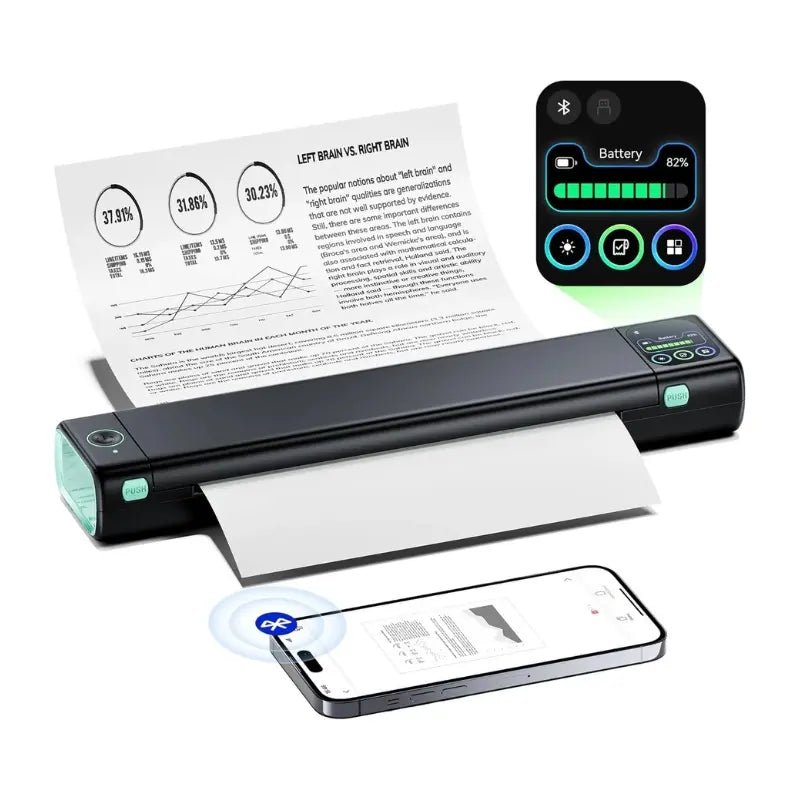 Impresora portátil mejorada Phomemo M08D Impresora térmica directa
 Set de regalo de impresora mini Phomemo M02
 Set de regalo de impresora mini Phomemo M02S
 Set de regalo Phomemo M110 impresora de etiquetas Bluetooth
 Phomemo M02 PRO Mini Impresora Set de Regalo
 Phomemo D30 Impresora de Etiquetas para el Hogar Bluetooth y Set de Regalo con 3 Rollos de Etiquetas
 Accesorios
 Bolsas de almacenamiento
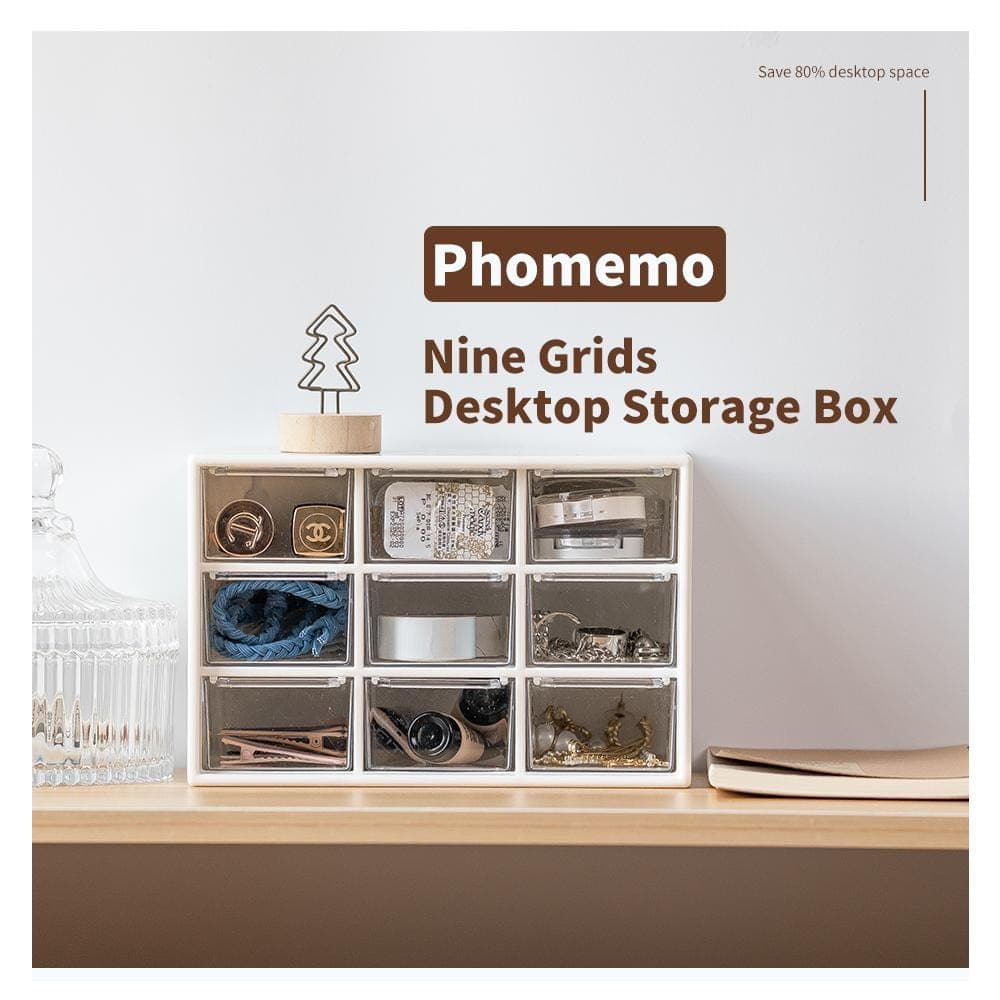 Cajas de almacenamiento
 Marcas de Fe | Una Colección Simbólica de Tatuajes de Espíritu y Fortaleza | Conjunto de Flash para Tatuajes
 Ink & Bloom | Una Colección de Sombras Elegantes y Emoción Floral | Set de Flash para Tatuajes
 Blade of the Oni | Demonios Internos Desatados | Set de Flash para Tatuajes
 Símbolos Wild | Mini Set de Tatuajes de Animales, Corazones e Iconos | Set de Flash para Tatuajes
 By Your Side | Conjunto de Flash para Tatuajes
 Phomemo M08F Impresora inalámbrica de plantillas para tatuajes
 Phomemo TP81 Impresora inalámbrica de plantillas para tatuajes
 Phomemo TP31 Impresora Mini de Plantillas para Tatuajes Bluetooth
 Phomemo TP87 Impresora inalámbrica de plantillas para tatuajes
 Phomemo M02 Impresora Mini Sin Tinta
 Phomemo M02 PRO Impresora Mini Bluetooth
 Phomemo M02S Impresora Mini Bluetooth
 Phomemo M04S Mini Impresora Térmica
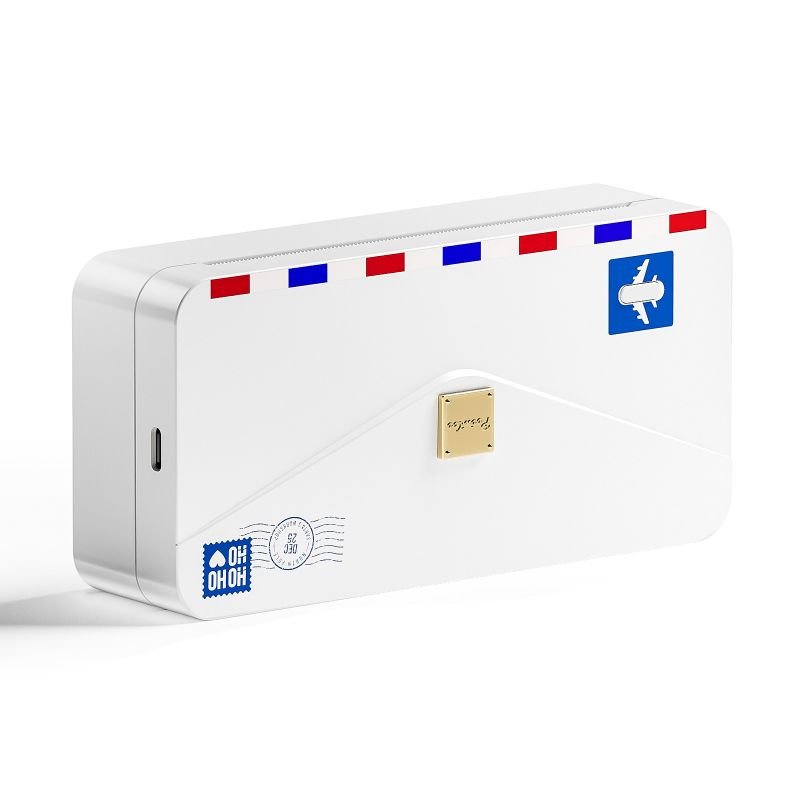 Phomemo M04AS Mini Impresora Térmica
 Phomemo D30 Etiquetadora portátil Bluetooth para el hogar
 Phomemo P12 Pro Impresora de Etiquetas Bluetooth para el Hogar
 Phomemo P15 Etiquetadora Vintage para el Hogar
 Phomemo D50 Gran Impresora de Etiquetas para el Hogar

What Is the International Standard Paper Size?
The most widely used paper size standard in the world is ISO 216.
It defines a consistent system of paper dimensions based on a fixed aspect ratio of 1 : √2 (approximately 1 : 1.414).
This ratio allows paper to be scaled up or down without changing its proportions, making it ideal for printing, copying, and design workflows.
ISO 216 consists of three main series:
-
A Series – the most common for everyday use
-
B Series – less common, mainly for special printing needs
-
C Series – typically used for envelopes
Among them, A series paper sizes are by far the most widely adopted.
Why A-Series Paper Sizes Work So Well
The defining feature of A-series paper is its mathematical consistency.
-
A0 has an exact area of 1 square meter
-
Each subsequent size is created by halving the longer side
-
The aspect ratio remains identical at every step
This means:
-
A document designed on A4 can be enlarged to A3 or reduced to A5 without layout distortion
-
Images, margins, and text maintain their proportions
-
Printing and photocopying become more predictable and efficient
This is why A-series paper is used globally in offices, schools, design studios, and printing systems.
A-Series Paper Size Chart (mm and inches)
| Paper Size | Dimensions (mm) | Dimensions (inch) |
|---|---|---|
| A0 | 841 × 1189 | 33.11 × 46.81 |
| A1 | 594 × 841 | 23.39 × 33.11 |
| A2 | 420 × 594 | 16.54 × 23.39 |
| A3 | 297 × 420 | 11.69 × 16.54 |
| A4 | 210 × 297 | 8.27 × 11.69 |
| A5 | 148 × 210 | 5.83 × 8.27 |
| A6 | 105 × 148 | 4.13 × 5.83 |
A4 is the most commonly used size worldwide for documents, letters, forms, and manuals.
Common Use Scenarios for A-Series Paper
Each A-series size serves a practical purpose:
-
A4 – standard documents, letters, manuals, printable templates
-
A5 – notebooks, flyers, booklets, planners
-
A6 – labels, notes, small prints, compact layouts
-
A3 – posters, diagrams, design drafts
-
A2 and above – technical drawings, signage, visual presentations
Because the proportions remain consistent, these sizes integrate seamlessly across digital design, physical printing, and scanning workflows.
ISO Paper Sizes vs US Paper Sizes
While ISO paper sizes are used in most regions, North America primarily uses Letter, Legal, and Tabloid sizes.
Key differences:
-
US Letter (8.5 × 11 inch) does not follow the √2 ratio
-
Scaling between sizes can result in layout changes or cropping
-
International compatibility is more limited
For globally shared documents or device-agnostic printing, ISO paper sizes are generally easier to manage.
Choosing the Right Paper Size for Printing
When selecting a paper size, consider:
-
The content type (text, images, labels, layouts)
-
The output method (thermal printing, inkjet, laser)
-
Compatibility with international standards
-
Whether the design needs to scale across sizes
In most cases, A4 or smaller A-series sizes provide the best balance of compatibility and flexibility.
Key Takeaways
-
ISO 216 is the global paper size standard
-
A-series paper sizes use a 1 : √2 ratio, enabling distortion-free scaling
-
A4 is the most widely used paper size worldwide
-
ISO sizes are ideal for printing, copying, design, and multi-device workflows
Understanding paper size standards helps ensure accurate printing, efficient scaling, and predictable results, regardless of application.